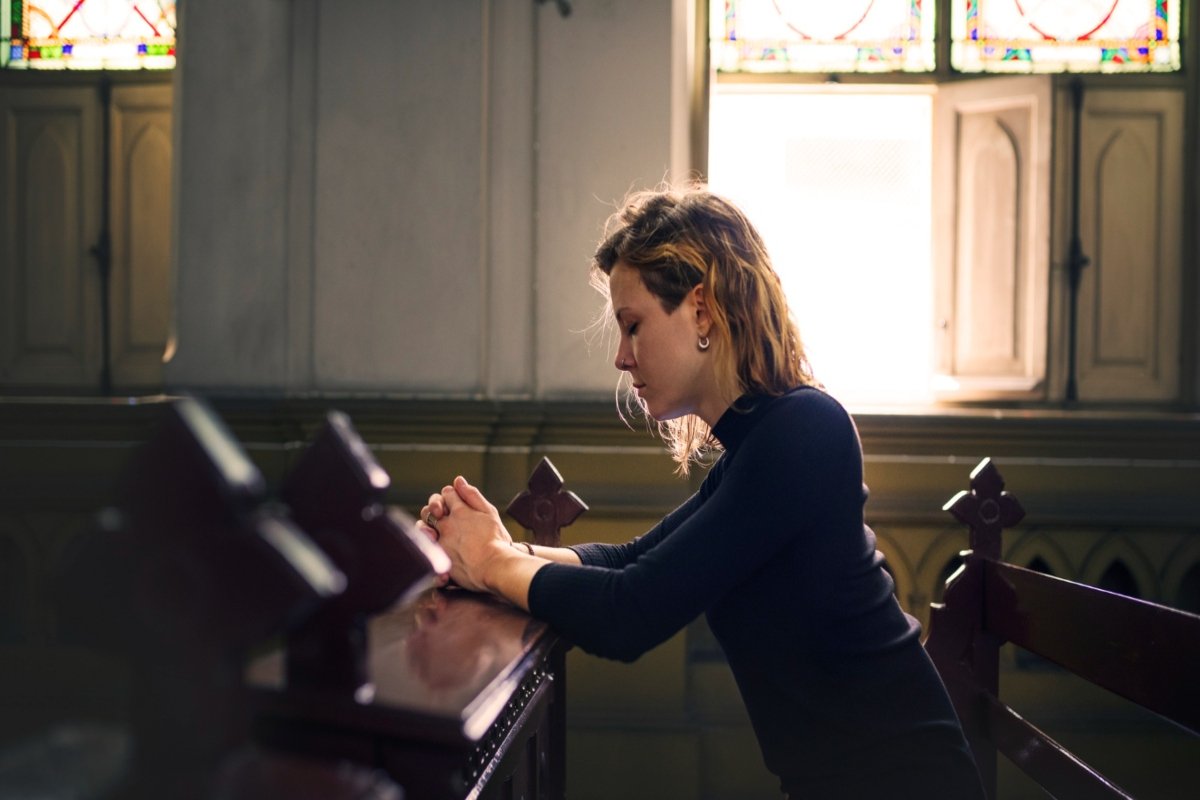
Sometimes you aren’t tired because you need more sleep, you’re tired because everything feels like too much.
You’re carrying responsibilities that don’t stop when you’re exhausted, you’re thinking about problems you can’t solve, people you can’t control, decisions you don’t know how to make, and circumstances you desperately wish were different. You may be working, parenting, serving, caring for family, managing a home, building something, trying to stay financially responsible, showing up for people you love and somewhere in the middle of it, you’ve become depleted.
You still love God.
You still believe in Him.
You’re just tired.
And sometimes Christians don’t know what to do with that kind of exhaustion. We know how to pray for breakthrough, we know how to encourage ourselves with Scripture, and we know how to tell ourselves that God is faithful. But what happens when nothing is necessarily wrong with your faith, and you’re just simply worn down by life?
the Bible never pretends God’s people don’t get tired. Scripture is filled with faithful people who experienced fear, grief, discouragement, pressure, uncertainty, and physical exhaustion. God didn’t abandon them in those places. Again and again, He met them there.
If you’ve been living in survival mode, trying to hold everything together, perhaps what you need isn’t another demand to become stronger. Maybe you need to remember where your strength comes from.
“God is our refuge and strength, a very present help in trouble.” – Psalm 46:1
Here are five faith-based habits that can help you recognize burnout, return to God’s presence, and begin living from a place a greater wholeness.
How To Overcome Burnout with Faith-Based Habits
#1 Be Honest When Life Feels Like Too Much
One of the first steps toward healing from burnout is admitting that you’re tired. Not tired in the casual “I need a good night’s sleep” sense; deeply tired.
Maybe you’ve been carrying uncertainty for months. Maybe you’re constantly solving everyone else’s problems. Maybe you’ve experienced disappointment after disappointment and haven’t had time to process any of it.
Sometimes we become so accustomed to functioning under pressure that we don’t realize how depleted we’ve become. We keep going because people need us. We keep producing because responsibilities don’t disappear. We keep smiling because we don’t want anyone to worry. And spiritually, we may even feel guilty admitting:
“Lord, I don’t know how much more I can carry.”
But God is not intimidated by that prayer. Elijah gives us one of the clearest pictures of this in Scripture. In 1 Kings 18, Elijah experienced an extraordinary spiritual victory on Mount Carmel. Fire fell from heaven, God’s power was demonstrated, and the people declared: “The LORD, he is the God.” — 1 Kings 18:39
Then, only a chapter later, Elijah was exhausted, afraid, running for his life, and sitting beneath a juniper tree saying: “It is enough.” — 1 Kings 19:4
And God’s first response is striking. He didn’t give Elijah a lecture, He let him sleep. Then an angel touched him and said “Arise and eat.” — 1 Kings 19:5. Later the angel returned and told him to eat again because: “the journey is too great for thee.” — 1 Kings 19:7
I love that. God acknowledged that the journey was too much for Elijah’s present strength.
Sometimes acknowledging that something is too much for you isn’t unbelief. It is recognizing that you were never intended to be your own source. There are seasons when the most spiritual thing you can do is tell God the truth:
Lord, I’m tired.
I’m disappointed.
I’m overwhelmed.
I don’t know what to do next.
I need You.
You don’t have to perform strength in the presence of the One who already knows you’re weary.
Need a moment before you keep reading?
Sometimes burnout leaves us without the energy (or even the words) to pray. I wrote God, I Need You from that kind of place. If that’s where you are today, take a few minutes, listen, and let this become your prayer. (Click song title).
#2 Stop Carrying Tomorrow Today
Burnout doesn’t only come from what we’re physically doing. Sometimes it comes from everything we’re mentally carrying. We’re living Monday while worrying about Friday. We’re paying today’s bill while thinking about next month’s expenses. We’re handling today’s problem while imagining five problems that haven’t happened.
We’re trying to determine how a situation will end when God has only given us enough grace for where we are right now.
Jesus addressed this directly: “Take therefore no thought for the morrow: for the morrow shall take thought for the things of itself.” — Matthew 6:34. Jesus wasn’t teaching irresponsibility. He was teaching dependence.
There is a difference between planning for tomorrow and trying to emotionally live there. Planning says, I’ll prepare wisely. Anxiety says, I must figure out every possible outcome so I’ll be safe. And that is exhausting.
I’ve learned that sometimes I’m not overwhelmed because of everything happening today, I’m overwhelmed because I’m mentally carrying today, tomorrow, next month, everybody else’s needs, and every possible outcome at the same time. That’s too much weight for one day.
God gives daily bread.
Daily mercy.
Daily strength.
Daily grace.
So when your mind starts racing ahead, bring yourself back to one question: What has God actually given me to carry today?
Handle what belongs to today. Pray about what belongs to tomorrow. And give God what never belonged to you in the first place.
“God doesn’t serve us tomorrow’s meal today. He gives us daily bread—grace for this day, strength for this day, and provision for this day.”
Tyra Archie
#3 Make Prayer Your Daily Refueling Station
Prayer isn’t another item to add to an already overwhelming checklist. Prayer is where you put the checklist down.
When life gets fast and your soul becomes tired, prayer creates space to remember that you are not navigating your life alone.
Prayer is your lifeline. It’s where burnout is traded for breakthrough. True prayer isn’t about saying the right words; it’s about being with the right One. When life gets fast and faith feels fatigued, prayer becomes the sacred pause that re-centers you. It’s not just a request line to heaven, it’s a refueling station for the soul.
Jesus modeled this continually.
“and He withdrew himself into the wilderness and prayed.”
Luke 5:16
If Jesus intentionally stepped away from demands to spend time with the Father, we should stop treating withdrawal, stillness, and prayer as luxuries we earn after everything else is finished. Jesus had people waiting for Him.
People needed healing.
Crowds wanted His attention.
There was always more ministry that could have been done.
Yet Jesus withdrew. That matters. Everything will never be finished.
Even the Son of God needed space to disconnect from the crowds and reconnect with the Father. He healed multitudes, preached with authority, and served relentlessly, but He never served apart from His Source.
Prayer reminds us that God is our Source before we become everyone else’s resource. And when you’re burned out, don’t make prayer complicated. Start with stillness.
Before checking notifications, sit quietly with God for ten minutes. Tell Him what you’re carrying. Open Scripture. Journal your prayers. Put on worship music and sit in His presence. And sometimes simply pray: “Father, I don’t have the strength for everything in front of me. Show me what is mine to carry today and give me grace for it.”
You don’t need eloquent words. You need His presence.
If your calendar feels packed and your prayer life feels thin, start with prayer. Intentional prayer doesn’t demand hours; it simply requires attention. God moves most in moments we make room for Him. Here are a few ways to rebuild your rhythm of prayer:
- Start with stillness. Take ten minutes of silence and prayer before you check your phone or read your notifications. That pause says, "God, You lead my day - not the world."
- Write your heart. Journal your prayers weekly. You'll start to see patterns of gratitude, answered prayers, and growth you might have missed in the noise.
- Listen back. Reflect on what God is saying, not just what you're saying to Him. Prayer is dialogue, not monologue.
- Worship before words. Use a worship song or devotional as a springboard to deeper conversation. Sometimes the right song helps your heart say what words can't.
If you need a place to begin, I’ve created a Music Library just for you. This room was designed to help you meet God in stillness again.
#4 Give Yourself Permission to Rest
Sabbath isn’t outdated, it’s divine design. In a world that glorifies hustle, God still calls His people to stop. Rest is not something God reluctantly allows, it has always been part of His plan.
“Remember the Sabbath day by keeping it holy.”
Exodus 20:8
From the very beginning, rest was woven into creation. After six days of forming the heavens and the earth, even God rested; not because He needed a break, but because He was setting a pattern for us to follow (Genesis 2:2 – 3):
Work. Stop. Receive. Enjoy. Remember. Trust.
Yet many of us have learned how to work without ever learning how to stop. And even when our bodies stop, our minds don’t. We’re lying in bed scrolling. We’re watching television while answering emails. We’re supposedly taking a day off while mentally rehearsing everything waiting for us tomorrow. That’s not always rest.
Sometimes it’s simply inactivity with an overwhelmed mind. Biblical rest involves trust.
Sabbath is a sacred declaration that says, “I trust God while I rest.” When you choose to rest, you’re not falling behind, you’re falling into grace. Rest isn’t weakness; it’s worship. It’s a posture that says, “My identity is found in being loved by God, not in being busy for Him.”
Jesus affirmed this truth when He said, “The Sabbath was made for man, not man for the Sabbath.” (Mark 2:27). God didn’t create Sabbath to restrict you, He created it to restore you. Think of Sabbath as soul maintenance. You can’t run indefinitely on an empty tank. And ignoring rest is just another form of pride disguised as productivity. The Sabbath gives space for what truly matters: peace, family, reflection, and gratitude.
God gave us rhythms of rest because He understands our limitations better than we do. You are allowed to stop. You are allowed to enjoy your family. You are allowed to take a walk without accomplishing anything. You are allowed to have dinner without your phone. You are allowed to sleep. You are allowed to say, That can wait until tomorrow.
Rest reminds us of something our culture desperately wants us to forget: The world keeps turning when we stop working.
And that’s actually good news. It reminds us that God is God; and we aren’t.
Simple Sabbath Practices to Reclaim Your Rest
- Unplug for 24 hours. Turn off notifications, step away from the noise, and invite silence back into your world.
- Go outside and reflect. Take a slow walk or journal in nature and let creation remind you who the true Creator is.
- Share a peaceful meal and prayer with family. Let dinner become communion, not chaos.
Plan ahead for your rest. Sabbath isn’t spontaneous; it’s sacred. Schedule it like the priority it is. Sabbath means you trust that God’s provision doesn’t pause when you do. And if you’ve ever felt guilty for slowing down, remember: Even Jesus rested in a boat during a storm. The world didn’t stop, but His peace remained.
If you’re a business owner, leader, or professional trying to balance faith and ambition, I wrote more on this in my upcoming post, “Faith Over Hustle: Why Honoring the Sabbath Is the Smartest Business Strategy for Christian Professionals.” Because rest isn’t resistance to success, it’s the foundation of it.
#5 Pay Attention To What Is Draining You
Sometimes burnout isn’t solved by one vacation. Sometimes something in your life needs to change.
Maybe you’ve said yes too many times. Maybe you’re carrying responsibilities that should be shared. Maybe you’re constantly available to everyone. Maybe your phone never gives your mind an opportunity to become quiet. Maybe you’ve neglected friendships that fill you because you’ve spent so much time maintaining relationships that drain you.
Maybe you’ve stopped doing things that bring joy because they don’t feel “productive.” Or maybe you’re in a genuinely difficult season that you cannot simply change and you need greater support while you walk through it.
Pay attention.
Psalm 23:3 says, “He restores my soul.”
Restoration assumes something has been depleted. God cares about restoring what life has drained and that means we should pay attention to our emotional, spiritual, relational, and physical limits. Ask yourself:
What has been draining me lately? Be specific.
What actually restores me? Not distracts me—restores me.
What am I carrying because I’m afraid to say no?
What responsibility can I share, postpone, delegate, or release?
Where have I stopped making room for God?
And perhaps the hardest question: Am I trying to control something that only God can change?
You don’t have to fix your entire life this week. Start by noticing where you’re empty then invite God into that place.
Restoration is part of God’s rhythm for your life. He expects you to rest and refill because even the strongest disciples paused to be renewed. It’s important to balance giving with receiving. Make room for soul-filling friendships, uplifting books and devotionals, laughter, rest, and reflection. These are not luxuries, they’re lifelines. Here are a few ways to refill your spirit throughout the week:
- Join a Bible study. Surround yourself with people who pour into you, not just pull from you.
- Read a new faith-based book or devotional. Let new truth refresh old routines.
- Journal with a warm cup of Little Prayer Tea
Taking care of yourself isn’t selfish, it’s spiritual stewardship. When you honor the temple God gave you, you honor Him.
Pour Back Into Your Life
If you’ve spent a long season pouring out at work, in ministry, through motherhood, caregiving, leadership, relationships, or simply managing everyday life—make room to refill.
Spend time with people who pour into you instead of always needing something from you. Return to Scripture without turning it into another obligation. Take a slow walk. Journal. Laugh. Worship. Eat dinner with people you love.
Turn your phone off.
Sleep.
Ask for help.
Sit quietly before God.
These aren’t meaningless little things.
Sometimes healing begins when we stop demanding that every moment of our lives produce something. Your life isn’t only valuable when you’re accomplishing something.
Final Reflection
You were never meant to carry the weight of your entire life at once. Some things belong to today. Some belong to tomorrow. And some belong entirely to God. So if you’re tired of everything right now, don’t immediately assume you need to become stronger. Maybe you need to become more dependent.
Pause.
Take inventory.
Rest.
Pray.
Release what isn’t yours and return to the Source. Jesus still says: “Come unto me, all ye that labour and are heavy laden, and I will give you rest.” — Matthew 11:28. That’s not an invitation for people who finally have everything together, it’s an invitation for tired people. And if that’s you today, come tired. He already knows how heavy the journey has been.
If you’ve been in a long season of pouring out whether at work, in ministry, parenting, caring for a family member(s), it’s time to refill. Step away from the demands long enough to hear what your heart’s been whispering. You can’t heal what you keep hiding and you can’t refill what you won’t acknowledge is empty.
When You're Tired of Everything
Maybe that’s where you are right now. Not experiencing one catastrophic event, just tired of everything.
Tired of making decisions.
Tired of waiting for something to change.
Tired of wondering how things are going to work out.
Tired of being responsible.
Tired of being strong.
Tired of thinking about money.
Tired of worrying about your children.
Tired of navigating relationships.
Tired of carrying expectations.
Tired of wishing life looked different than it does right now.
There are seasons when life simply feels heavy.
But hear this: Being tired doesn’t mean you’ve stopped trusting God. Sometimes you’re tired because you’ve been walking through something difficult for a long time. Isaiah gives us a beautiful promise: “He giveth power to the faint; and to them that have no might he increases strength.” — Isaiah 40:29
Notice who receives strength; the faint. The person who has no might. God isn’t waiting for you to manufacture strength before you come to Him. He is inviting you to receive strength because you don’t have enough of your own. And a few verses later: “But they that wait upon the LORD shall renew their strength.” — Isaiah 40:31
Your weakness doesn’t disqualify you from God’s strength, it positions you to depend upon it.
Living Whole Doesn’t Mean Living Without Problems
Wholeness isn’t a life where everything finally goes your way. It’s not the absence of responsibilities, disappointment, grief, deadlines, difficult relationships, or unanswered questions. Wholeness is learning to remain rooted in God while living through a life you cannot completely control.
It’s recognizing:
I can be responsible without believing everything depends on me.
I can plan without trying to control every outcome.
I can serve others without abandoning myself.
I can work hard and still rest.
I can be disappointed and still trust God.
I can admit I’m tired and still have faith.
That’s a different kind of strength. It’s not the strength that says, I can handle everything. It’s the strength that says: I don’t have to. God is with me.
Quick Recap: 5 Faith-Based Habits to Beat Burnout
-
Be Honest About Your Exhaustion
Stop pretending you’re fine when you’re depleted. Bring the truth about your weariness to God. -
Stop Carrying Tomorrow Today
Plan wisely, but refuse to emotionally live in problems God hasn’t asked you to solve yet. -
Make Prayer Your Daily Refueling Station
Prayer isn’t optional - it’s how your soul exhales. Make it personal and consistent. -
Give Yourself Permission to Rest
Build intentional times of Sabbath, sleep, stillness, family, and restoration into your life.
-
Pay Attention to What Drains You
Identify what needs a boundary, what needs support, what needs to change, and what simply needs to be surrendered to God.