
Some experiences change the way we see everything. A painful betrayal, the sudden loss of someone we love, a season of suffering that seemed to arrive without warning.
Emotional trauma has a way of leaving marks that go far beyond the original moment. It can affect how we think, how we relate to others, and sometimes even how we relate to God.
For many believers, trauma not only brings emotional pain, but it also brings spiritual questions. Faith that once felt steady may suddenly feel fragile.
Prayers may feel harder to say. Scriptures that once brought comfort might raise difficult questions instead. In moments like these, people often wonder if their faith is slipping away.
Struggling after trauma does not mean faith is gone. More often, it means faith is being forced to grow in a deeper, more honest direction.
The journey of rebuilding faith after trauma is rarely quick or simple. It often involves wrestling with pain, processing difficult emotions, and learning to trust God again in ways that feel authentic and real.
Many Christians quietly navigate this path. They are trying to understand how trauma and faith can exist together, how Christian healing after trauma is possible, and whether trusting God after trauma can truly happen.
The good news is that emotional pain does not disqualify someone from faith. In fact, throughout Scripture and throughout the experiences of countless believers, faith has often grown strongest in the very places where life felt most broken.
Rebuilding faith after emotional trauma is not about pretending the pain never happened. It is about discovering that even in the middle of suffering, God is still present, still patient, and still able to bring healing to the deepest parts of the human heart.
When Trauma Shakes Your Faith
After a painful breakup and months of emotional exhaustion, Daniel found himself sitting in church feeling strangely distant from the faith that once gave him comfort. He still believed in God, but the hurt made it harder to pray or trust like he used to.
For many believers, emotional trauma can create this same struggle between pain and faith. This tension is the heart of rebuilding faith after trauma.
Trauma disrupts routines, challenges assumptions about safety and fairness, and can leave even the strongest believers questioning God’s presence. It’s normal to feel doubt, anger, or distance from God during these seasons.
Yet, Scripture shows that struggling faith is not failure. Figures like Job, Joseph, and David endured immense suffering, yet their journeys ultimately drew them closer to God. Understanding that faith after emotional pain often involves doubt and questioning can help believers approach healing with patience, honesty, and hope.
Emotional trauma affects both mind and heart. Anxiety can become part of daily life, alongside grief, intrusive memories, and feelings of isolation.
These experiences can make prayer feel heavy, worship distant, and trust fragile. But acknowledging these realities is the first step toward recovery. Faith and healing can coexist, even when the pain feels overwhelming.

The journey of Christian healing after trauma involves creating space to process emotions, rediscover God’s presence, and rebuild trust slowly. While trauma may shake faith temporarily, it can also lay the foundation for a deeper, more resilient relationship with God, one rooted in honesty, grace, and perseverance.
Trauma has a way of changing how people see the world. Before a painful experience, life may have felt relatively predictable. There was a sense that things made sense and that God was watching over everything, but trauma disrupts that sense of safety. Suddenly, life feels fragile. The future becomes uncertain. And faith, which once felt steady, may feel confusing or distant.
For many Christians, trauma creates a spiritual tension. On one hand, they still believe in God. On the other hand, the emotional pain they carry makes it difficult to understand how their experience fits into their faith. This tension is at the heart of faith after emotional pain.
Believers may find themselves asking difficult questions, such as:
- Why did this happen to me?
- Why didn’t God stop it?
- Can I trust God again?
These questions are not signs of weak faith. They are honest expressions of a heart trying to make sense of suffering.
The Bible Is Honest About Pain
One of the most comforting aspects of Scripture is that it does not ignore emotional pain.
Many biblical figures experienced deep trauma and grief. Joseph was betrayed and sold into slavery by his own brothers. David spent years running for his life while being hunted by King Saul. Job lost his family, wealth, and health in a series of devastating events.
Even Jesus experienced profound emotional anguish. Before His crucifixion, in the Garden of Gethsemane, Jesus prayed in deep distress, acknowledging the weight of what lay ahead. These stories remind believers that suffering is not incompatible with faith.
The Bible does not portray faithful people as those who avoid hardship. Instead, it shows people who continue seeking God even when life feels overwhelming.
Understanding the Impact of Emotional Trauma
Emotional trauma can affect both the mind and body in powerful ways.
People who have experienced trauma may struggle with:
- anxiety or hypervigilance
- intrusive memories
- emotional numbness
- difficulty trusting others
- feelings of isolation
Trauma can also affect spiritual life. Some believers feel distant from God after traumatic experiences. In many cases, they are not only dealing with grief or confusion, but also carrying guilt they may not even know how to process yet.
Prayer may feel difficult. Worship may feel emotionally heavy. Others may feel angry or confused about God’s role in their suffering. These reactions are normal. Trauma affects the brain’s stress response system, which can make it harder to feel safe, hopeful, or connected.
Recognizing this is important because it means the struggle to rebuild faith is not simply a spiritual issue, it is also a deeply human and emotional one.
Why Trauma Can Disrupt Trust in God
At the center of many trauma-related faith struggles is the issue of trust. Faith often involves believing that God is good, loving, and present, but trauma can challenge that belief.
When painful events occur, especially ones that seem unfair or senseless, it can feel difficult to reconcile them with the idea of a caring God. This is why trusting God after trauma is often one of the most challenging parts of the healing process.
Some people respond by distancing themselves from faith entirely, while others continue believing in God but struggle with emotional distance. Still others find themselves clinging to faith more tightly than ever before. Each response reflects a person trying to process pain while searching for meaning.
Rebuilding Faith After Trauma Takes Time
One of the most important truths about rebuilding faith after trauma is that it rarely happens quickly. Healing is a gradual process. In the early stages of trauma recovery, simply surviving emotionally can feel like an enormous task.
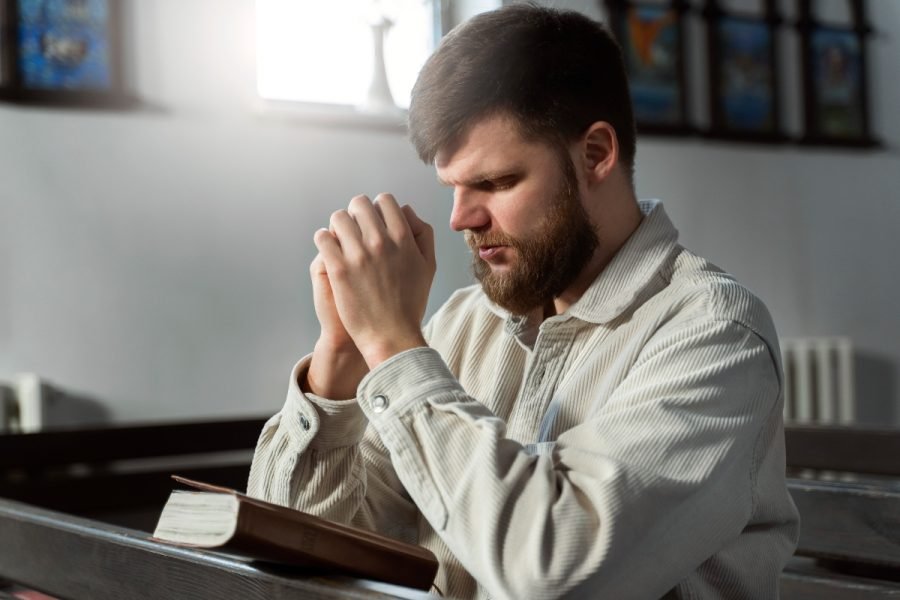
Expecting immediate spiritual clarity during this time can create unnecessary pressure. Instead, healing often unfolds slowly as people begin to process their experiences, reconnect with supportive relationships, and rediscover a sense of safety.
Faith may re-emerge gradually during this journey. Rather than returning all at once, trust in God often grows in small moments.
– A quiet prayer.
– A meaningful conversation.
– A song that reminds someone they are not alone.
These small experiences can begin rebuilding the bridge between trauma and faith.
Allowing Yourself to Be Honest With God
One of the most healing practices during trauma recovery is honest prayer. Some believers hesitate to express anger, confusion, or grief toward God because they worry it might be disrespectful. The Bible contains many examples of people bringing raw emotions directly to God.
The Psalms are filled with prayers that express deep distress: “How long, Lord? Will you forget me forever?” (Psalm 13)
These words are not polished or filtered. They are honest, God invites that honesty.
Authentic prayer allows people to bring their true emotions before God instead of hiding them. Over time, this openness can become the foundation for Christian healing after trauma, supporting both emotional well-being and a renewed sense of faith.
The Role of Community in Christian Healing After Trauma
Healing rarely happens in isolation. Supportive relationships play a critical role in trauma recovery.
For Christians, faith communities can provide encouragement, prayer, and practical support during difficult seasons. Trusted friends, pastors, or mentors can help remind someone of the truth when their own faith feels fragile.
However, it is also important to recognize that not every faith community responds to trauma in healthy ways. Sometimes, well-meaning people offer oversimplified answers like: “Everything happens for a reason.”
While these statements may be intended to comfort, they can unintentionally minimize the depth of someone’s pain. Healthy Christian communities make space for both faith and grief. They allow people to ask questions, process emotions, and heal at their own pace.
The Role of Professional Help
While prayer, community, and worship can support mental well-being, there are times when professional help is still necessary.
In some situations, trauma may require professional support from counselors or therapists trained in trauma recovery. Seeking help is not a sign of weak faith. Just as people seek medical care for physical injuries, emotional wounds sometimes require specialized care.

Christian counselors often integrate psychological tools with spiritual support, helping individuals process trauma while exploring how faith can remain part of the healing journey.
For many believers, combining therapy, prayer, and supportive community creates the strongest foundation for recovery.
Rediscovering God’s Presence in the Healing Process
During trauma, God can feel distant.
But many people later discover that God was present in ways they did not initially recognize.
Sometimes His presence appears through:
- supportive friends
- moments of unexpected peace
- strength to endure difficult days
- small signs of hope
Psalm 34:18 offers reassurance for those who are hurting: “The Lord is close to the brokenhearted and saves those who are crushed in spirit.”
This verse does not promise that pain disappears instantly. Instead, it offers something equally meaningful: the assurance that God draws near to those who are hurting.
Finding Faith After Emotional Pain
For some believers, trauma reshapes faith in unexpected ways. The version of faith they held before the traumatic event may no longer feel sufficient. Instead of returning to the same beliefs and expectations, many people develop a deeper, more resilient faith.
This new faith may include:
- greater compassion for others who suffer
- deeper reliance on God during uncertainty
- a more honest relationship with God
- a stronger appreciation for grace
In this sense, faith after emotional pain can become a different kind of faith, one shaped by both suffering and healing.
Trusting God After Trauma
Rebuilding trust in God is often one of the final stages of trauma recovery. Trust may not return as quickly as belief.

A person might still believe God exists while struggling to trust Him fully. That is okay. Trust grows through experience. Over time, small moments of faithfulness can begin restoring confidence in God’s presence.
A prayer that brings unexpected peace. A scripture that speaks directly to a painful moment. A conversation that provides clarity or encouragement. These moments slowly rebuild the sense that God is still trustworthy, even in a complicated world.
A Prayer for Healing and Renewed Faith
If you are currently walking through trauma and struggling with faith, you can bring that struggle honestly before God.
Here is a simple prayer:
Lord, you know the pain I have experienced and the questions I carry in my heart. Some days it is hard for me to understand where you are in all of this. Help me bring my doubts and fears honestly to you. Surround me with the support and healing I need. Slowly rebuild my faith and help me learn to trust you again. Amen.
Hope for the Journey Ahead
Trauma can deeply affect both emotional health and spiritual life, but it does not have to be the end of faith. For many believers, the journey of rebuilding faith after trauma becomes part of a larger story of healing and transformation. Through honest prayer, supportive relationships, professional care, and time, faith can gradually take root again.
It may look different than before, it may be quieter, more reflective, and more honest, but it can still be real. Sometimes, the faith that grows after pain becomes the strongest faith of all.