
You may not even realize it, but your daily habits could be quietly destroying your mental health. It’s not always the big life crisis that wear us down. More often, it’s the little things: how we start our mornings, what we let occupy our minds, and the way we carry the weight of the world without ever laying it down.
The truth is, exhaustion rarely shows up all at once. It creeps in through subtle compromises: skipping prayer time, ignoring rest, scrolling instead of surrendering.
Before long, peace feels distant, and your heart begins to carry loads God never asked you to lift. Want a better way to start your day? Press play on my Morning Worship Playlist, a simple way to shift your focus toward peace instead of pressure. As believers we know God promises peace, not stress.
"Peace I leave with you; my peace I give unto you. Not as the world giveth, give I unto you. Let not your heart be troubled, neither let it be afraid."
John 14:27 (KJV)
Jesus didn’t just offer momentary relief; He offered lasting wholeness. He invites us into rhythms that restore and habits that create space for His Spirit to renew our minds. But that kind of peace doesn’t happen by accident. It comes through awareness, intention, and alignment with His truth.
Let’s walk through 10 daily habits that might be silently draining your mental and spiritual health – and what you can do instead to step into God’s peace. But stay with me until the end, because I’ve included one bonus habit and a powerful mindset shift that can completely reframe the way you live, think, and process your day. It’s the habit that changes everything.
10 Everyday Habits That Are Damaging Your Mental Health
#1. Surrounding Yourself with Draining People
I’ve personally walked through some of these habits myself. For a long time, I didn’t realize how much they were impacting me until I found myself mentally and spiritually exhausted. If you see yourself in any of these, know that there’s no shame – only invitation. God’s peace is real, and these habits can help you return to it.
What It Does:
Constant exposure to negativity, criticism, or emotional immaturity will wear on your spirit over time. You can’t stay full of faith when you’re constantly surrounded by people who feed on frustration. The company you keep shapes the clarity of your mind and the condition of your heart.
Draining relationships aren’t always toxic in an obvious way. Sometimes they’re subtle – the friend who always unloads but never listens, the family member who minimizes your faith, or the coworker who constantly complains. Over time, those small interactions leave you heavy, weary, and unsure of your direction.
How It Affects You:
Even if it’s someone you’ve known forever, being around the wrong people too often can cloud your discernment. It can make you question your direction, feel heavy, or emotionally unsafe. When your emotional space is overcrowded with negativity, it becomes harder to hear God’s voice clearly.
You may start to question your purpose, doubt your decisions, or carry guilt for wanting distance. But peace requires pruning. Jesus Himself had circles – the multitude, the twelve, and the three. Not everyone had access to His quiet moments. That’s not rejection; that’s wisdom.
What To Do Instead:
Set boundaries with wisdom and love. You don’t have to announce your distance – just be intentional. Share less with those who drain you. Protect your time, your peace, and your progress. Refill in God’s presence before re-entering draining environments.
Think of your dreams, healing, and peace like a newborn - not everyone gets to hold them.
Faith Anchor:
“Above all else, guard your heart, for everything you do flows from it.” – Proverbs 4:23 (NIV). Protecting your heart isn’t selfish, it’s sacred. Every relationship either fuels your faith or drains it. Guarding your peace is guarding your purpose.
#2. Replaying Old Wounds Over and Over
Some of the deepest pain doesn’t come from what’s happening now, it comes from what we keep replaying. You may have moved on physically, but mentally and emotionally, you’re still standing int he same room reliving what hurt you. Every replay reopens what God is trying to close.
The truth is, unhealed wounds can shape your mood, your confidence, and your peace of mind. They whisper lies about who you are and what you deserve. And when those lied go unchecked, they become the lens through which you see everything else. But here’s the good news: God doesn’t just forgive; he heals. He wants to free you not only from the pain that happened, but from the habit of rehearsing it.
What It Does:
Replaying old wounds keeps you mentally locked in the past, constantly reliving pain that God wants to heal. Each time you revisit those moments, you reattach yourself to the emotions that God already released. It’s like picking at a scab before it’s ready and what should be scarred over stays raw.
How It Affects You:
Bitterness, resentment, and anxiety often live where healing has been delayed. When you dwell on what hurt you, you give it permission to define you. Over time, it can blur your sense of hope, making it hard to see how God is still writing beauty into your story. Replaying wounds convinces you that peace depends on getting closure, but closure isn’t a person or a conversation. It’s a decision to stop letting pain lead the narrative.
What to do instead:
Release it to God. You don’t need another apology to heal. You don’t have to wait for everything to make sense to move forward. Freedom doesn’t mean pretending it never happened; it means trusting God with what did. When those memories resurface, let them become prayer prompts instead of pain loops. “Lord, I give this would back to you. Heal what I can’t fix, and teach me how to rest in Your peace.” Don’t hinge your freedom on closure. God is a healer – not just of your body, but your story.
Faith Anchor:
“He sent out His word and healed them; He rescued them from the grave.” – Psalm 107:20 (NIV). God’s Word still heals. It reaches deep into the places you’ve buried and restores what’s been broken. When you stop replaying old wounds, you finally make room for peace to move in.

#3. Comparing Yourself to Others
I’ve had seasons where I felt behind – like I should’ve been further by now. But the truth is, timelines are man-made. God operates in seasons and purpose. The moment I stopped measuring my life against someone else’s and started focusing on obedience, peace returned.
In my own ministry journey, this lesson became personal. I love to sing. I love music. But for years, I imagined what success should look like – recording the perfect song, releasing it on Spotify and Apple Music, shooting the polished music video, and watching it climb the charts like other Christian artists. I thought that was the only way to make an impact.
But God had a different path. When I stopped chasing visibility and started seeking His voice, He redirected me to write; not just lyrics, but language around life. That’s when Adura Daily was born: a space where I could teach people how to live for God daily through devotionals, songs, and reflections.
And something beautiful happened. The more I wrote from revelation instead of comparison, the more authentic my story became. My writing and my worship began to merge, carrying healing, not just harmony. What I learned is this: when you stop competing, your calling becomes clear.
What It Does:
Comparing yourself to others makes you feel behind, unworthy, or like you’re not doing enough – even when you’re in the middle of your God-given assignment. Comparison replaces gratitude with anxiety and turns calling into competition. It pulls your eyes off what God is doing in you and fixates them on what He’s doing for someone else.
How It Affects You:
Comparison is exhausting. It breeds burnout, jealousy, and spiritual fatigue because it ties your worth to outcomes instead of obedience. Before long, ministry becomes performance. Purpose becomes pressure. And joy becomes something you only feel when you think you’re “ahead.” But God never asked you to win; He asked you to walk. Peace is found in progress, not perfection.
What To Do Instead:
Fix your eyes on Jesus and get back in your lane. God’s timeline for you isn’t broken – it’s custom. His pace is your peace. Celebrate others without comparing yourself to them. Their success doesn’t threaten yours; it simply proves that God is still blessing obedience. Keep showing up. Keep sowing. Keep trusting that the same God who authored your story will finish it in His timing, not theirs.
He will redeem the time - just stay in position.
Faith Anchor:
“For I know the plans I have for you,” declares the Lord, “plans to prosper you and not harm you, plans to give you a future and a hope.” – Jeremiah 29:11 (NIV).
#4. Trying to Control Things You Can’t
There was a season in my business when the economy shifted and everything felt uncertain. Projects slowed down, invoices lingered, and no matter how many ideas I brainstormed, nothing seemed to land.
My mind raced day and night, searching for the next move. I prayed-oh, I prayed-but my prayers were often, “Lord, bless this idea,” not “Lord, what is Your idea?” I was asking for direction within the boundaries of what I had already decided was right. And because I wouldn’t release control, I couldn’t receive peace. Then came the turning point.
I remember kneeling in the sanctuary at church and saying, “Lord, I don’t know. I’ve done all I can. Show me what You want to do.” When I finally erased my own plans and surrendered every brilliant “fix,” clarity came like a calm wind. One simple next step. One divine instruction. It didn’t come through striving-it came through stillness. That was when I truly learned that peace is the by-product of trust, not control.
What It Does:
Trying to control what only God can handle mentally drains you with worry and pressure. It traps you in an endless cycle of overthinking, planning, and second-guessing-leaving no space for God’s wisdom to break through. Control gives the illusion of safety, but it actually multiplies anxiety. You can’t hold everything together and receive what God is holding for you at the same time.
How It Affects You:
Sleep loss, chronic stress, and lack of peace are all fruit of a mind that won’t rest. When you take ownership of outcomes that belong to God, your body carries burdens your spirit was never meant to lift. Eventually, you find yourself living in constant “fight or fix” mode instead of faith. You stop dreaming out of joy and start problem-solving out of fear.
What To Do Instead:
Surrender control. Pray, release it-and then rest in obedience. Do what’s in your hands and trust God with what’s in His. “Lord, I release the outcome to You. I’ll be faithful in the steps You’ve shown me, and I’ll trust You with everything beyond my reach.” True faith doesn’t ignore the problem-it hands it to the only One who can handle it. When you let go, you don’t lose control; you gain peace.
Faith Anchor:
“Be still and know that I am God.” – Psalm 46:10 (KJV). Stillness isn’t passive, it’s prophetic. It declares that you believe God is capable of handling what you can’t. When you stop trying to be the author, you finally get to rest in the story He’s already written.

#5. Overthinking Everything
Overthinking is often disguised as preparation. We tell ourselves we’re “just being thorough,” when in reality, we’re spinning our wheels trying to predict outcomes that belong to God. If you’ve ever replayed a decision a hundred times in your mind, wondering what if it doesn’t work, you’re not alone. Overthinking comes from a good place – wanting to get it right – but it often leads to the wrong result: paralysis.
I’ve learned that overthinking is rarely about logic; it’s about fear. Fear of making a mistake. Fear of embarrassment. Fear of what people will say if you have to start over or step down. Sometimes God’s next instruction is humbling – it might mean beginning again, pivoting careers, or walking away from something that once defined you. When He calls you into a new season, He’s not asking you to understand everything – He’s asking you to trust Him in the unknown.
What It Does:
Overthinking paralyzes progress and fuels anxiety. It convinces you that safety comes from control, but all it does is delay obedience. When you try to calculate what only God can confirm, you end up exhausted instead of empowered. You can’t hear God clearly when your thoughts are louder than His voice.
How It Affects You:
Constant mental clutter, indecision, and stress take root. Your sleep suffers. Your confidence wavers. You spend hours analyzing what could go wrong instead of moving forward in faith.
Overthinking also drains joy from obedience. When your focus shifts from pleasing God to protecting your image, every step feels risky. But Scripture reminds us that our motivation must come from Him, not human approval. “Whatever you do, work heartily, as for the Lord and not for men.” – Colossians 3:23 (ESV). When we work unto the Lord, obedience becomes worship – not performance.
What To Do Instead:
Practice quieting your mind through prayer, journaling, and stillness. Before you make a move, invite God to search your motives:
- Am I doing this for approval or obedience?
- Am I afraid of humility or missing His will?
- Am I seeking clarity or control?
You don’t need a 10-step plan; you just need one clear word from God. When you feel your mind spiraling, pause and pray: “Lord, help me stop overthinking what You’ve already settled. Replace confusion with clarity and give me courage to act.” Then take the next step in faith – not because you’ve figured it out, but because you’ve surrendered it.
Faith Anchor:
“If any of you lack wisdom, let him ask of God, that giveth to all men liberally, and upbraideth not; and it shall be given him.” – James 1:5 (KJV). God never promised you the full map – just the next step. And when you stop overanalyzing every outcome, you’ll start seeing how His peace fills the space your thoughts once occupied.
#6. Finding Relief in Substances Instead of the Spirit
We all crave relief. When life gets heavy and pain feels unending, the human instinct is to reach for something-anything- to take the edge off. For some, it’s drugs or alcohol. For others, it’s pills, overworking, comfort food, or even scrolling. But what starts as relief quickly becomes reliance. And while substance can numb what hurts, they can’t heal what’s broken.
For years, many believers have silently battled this very habit – loving God but leaning on a temporary fix. If that’s you, know this: there’s no shame here, only truth and invitation. God doesn’t just want to take away the addiction; He wants to fill the void that drives it. You don’t need more distraction – you need His Spirit.
What It Does:
Substances numb your pain temporarily but never heal it. They quiet the symptoms but ignore the source. What begins as “just one drink,” “just one pill,” or “just to take the edge off,” can turn into an emotional and spiritual dependency that dulls your sensitivity to God’s voice.
The truth is, substance reliance is not a fruit of God’s Spirit – it’s a sign of disconnection from it. Scripture says, “Do not get drink on wine, which leads to debauchery. Instead, be filled with the Spirit.” – Ephesians 5:18 (NIV). When we choose substance over surrender, we’re seeking peace without presence – and it never lasts.
How It Affects You:
Spiritual disconnect. Addictive patterns. Emotional instability. Substance use opens the door for the enemy to whisper shame and isolation. It’s one of Satan’s oldest tricks: keep them numbed so they never heal. He wants to drain your power and silence your worship. But here’s the truth – God’s Spirit still breaks chains.
If this is something you’ve battled for a long time, you don’t just need willpower – you need the power of God. His Spirit gives strength where your flesh feels weak. And you’re not meant to do this alone. Sometimes healing starts with bringing darkness into the light. Seek a trusted pastor, Christian counselor, or therapist who can help you unpack the layers – trauma, fear, grief, or loss – that led to the habit in the first place. True healing goes deeper than stopping the habit; it heals why you started it.
What To Do Instead:
Seek healing, not distraction. Ask God to fill you with what you’ve been trying to numb. Here’s a prayer you can pray: “Lord, I’ve been running to everything but You. Fill me with Your Spirit until I no longer crave substitutes for Your peace.” Healing takes courage, but you don’t have to do it alone. God has placed counselors, therapists, and community around you for a reason. Healing isn’t a sign of weakness – it’s a step of wisdom. If you’ve felt far from God in this season, I encourage you to read What to Do When You Feel Far From God: Five Steps to Reconnect Spiritually. It’s a reminder that no matter how distant you feel, the Holy Spirit still draws near to heal.
Faith Anchor:
“The Spirit of the Lord God is upon me, because the Lord has anointed me to preach good tidings unto the meek; He hath sent me to bind up the brokenhearted, to proclaim liberty to the captives, and the opening of the prison to them that are bound.” – Isaiah 61:1 (KJV). You were never meant to live bound. God still delivers, still restores, and still fills empty hearts with His power.

#7. When Rest Becomes the Discipline You Avoid
Late nights aren’t always sinful – but they can be slippery. One late night turns into a pattern, and before long, you’re starting every morning depleted and distracted. Whether it’s staying up watching one more show, scrolling until you lose track of time, or simply procrastinating what you know you should be doing, this habit quietly chips away at your peace.
Time is one of God’s greatest gifts, but also one of His most misunderstood.
We say we don’t have enough of it, yet we often waste the portion we do have on distractions that drain us. Rest is not laziness; rest is stewardship.
God never called you to hustle yourself into holiness. He called you to manage your life in balance-to work faithfully and rest intentionally. When you stay up late and run on empty, it’s not just your energy that suffers; it’s your spiritual focus, your emotional balance, and your clarity of purpose.
What It Does:
Disrupts your mind’s ability to rest, reset, recharge, and repair. Late nights and neglected rest interfere with how your brain processes peace. You begin every day behind-mentally foggy, spiritually dull, and emotionally fragile. It’s not just sleep deprivation; it’s soul depletion. The Bible says, “To everything there is a season.” (Ecclesiastes 3:1). When you ignore your God-given need for rest, you step out of the rhythm He designed for you.
How It Affects You:
One way is brain fog and irritability. This will have you waking up reacting instead of resting in God’s peace. Another way is emotional dysregulation that makes it harder to stay patient, discerning, or hopeful. Spiritual dullness is another affect. When your body is tired, your spirit becomes sluggish too. Wasted time can also breed guilt, procrastination, and stress. Before long, your to-do list becomes a weight instead of an act of worship. But time is not the enemy. The way we steward it determines whether it becomes a tool for peace or a trap of pressure.
What To Do Instead:
Honor rest. Go to bed early when you can. Create a peaceful nighttime routine that prepares both your body and your mind to reset. Consider adding Worship or prayer before bed and replace noise with stillness. Journaling or gratitude reflection is also a good habit to add. Empty your thoughts so you can rest with a clear mind. One thing I’ve incorporated with my family is screen-free wind-down time. This allows time to let your soul quiet before you close your eyes.
If you find yourself procrastinating or wasting time, pause and ask: “Am I avoiding what God called me to because I’m tired-or because I’m afraid?” Sometimes procrastination isn’t laziness-it’s avoidance rooted in fear or fatigue. Either way, God invites you back into order. Rest is not a reward for finishing your tasks; it’s a rhythm for fulfilling your calling.
Faith Anchor:
“In peace I will lie down and sleep, for You alone, Lord, make me dwell in safety.” – Psalm 4:8 (NIV). Sleep isn’t a waste of time; it’s worship. When you lay down your head in peace, you’re declaring that the world will keep turning because God is still in control.
#8. Skipping Physical Movement (Stewarding Your Body With Wellness)
There was a season when I thought sitting still equaled peace. But over time, I realized that still ness without purpose can become stagnation. God created our bodies to move, breathe, and carry His presence. Movement isn’t just about fitness, it’s about flow.
It’s one of the ways our bodies respond to gratitude and our minds process healing. Even short walks, light stretching, or dancing during worship can shift the atmosphere of your heart. When you neglect movement, stress lingers in your body longer than it should, and anxiety quietly takes root.
Physical movement is both ministry and maintenance. It’s an act of worship that says, “Lord, thank You for this body You’ve given me. Help me use it to serve You well.”
What It Does:
Skipping physical movement stagnates both your body and your mind. The same way a river becomes unhealthy when it stops flowing, your body and spirit feel sluggish when they lack rhythm. God designed motion as medicine-it increases clarity, boosts endorphins, and lifts emotional weight.
How It Affects You:
When you stay sedentary for long periods, anxiety builds up. Muscles tighten. Energy drops. You might feel “off” but can’t pinpoint why. The truth is, tension needs an exit, and movement provides one. Without it, your body stores what your spirit is trying to release.
What To Do instead:
Move your body with intention. It doesn’t have to be a workout plan-it can be worship. Take a 15-minute walk and talk with God about your day. Stretch or breathe deeply while praying through Scripture.
Turn on your favorite worship playlist and dance like David did! Movement is healing because it reconnects your physical rhythm to God’s spiritual order. When your body moves, your mind clears-and your heart listens.
“Lord, teach me to honor You with how I move, rest, and care for this body You’ve entrusted to me.”
Faith Anchor:
“Do you not know that your bodies are temples of the Holy Spirit, who is in you, whom you have received from God? You are not your own; you were bought at a price. Therefore honor God with your bodies.” – 1 Corinthians 6:19-20 (NIV). Your body isn’t a burden-it’s a vessel. Every stretch, every walk, every breath of gratitude is worship.
#9. Isolating Yourself
Sometimes withdrawal looks like rest – but it’s actually retreat. It starts small: missing a few calls, skipping gatherings, not responding to messages. You tell yourself you just need “space,” but eventually, the space turns into separation.
When we isolate ourselves, we unknowingly cut off one of God’s greatest gifts – community. Even the strongest believers weren’t designed to do life alone. Jesus surrounded Himself with people. Moses needed Aaron. David had Jonathan. Ruth had Naomi.
The early church thrived because they were together. I’ve had seasons where I thought isolation was healing, but really it was hiding – hiding from accountability, from vulnerability, from the reminder that I still needed people. The enemy loves to whisper in isolation because it’s the only place his voice won’t be challenged.
What It Does:
Isolation disconnects you from support, community, and encouragement. When you pull away from people who love you, you lose perspective. Isolation convinces you that no one understands or cares, but that’s a lie – one designed to keep you from strength. God uses community to sharpen you, support you, and remind you that you’re not walking through your battles alone.
How It Affects You:
Increases loneliness, sadness, intrusive thoughts and unhealthy patterns-including relying on social media as your main connection point, which only deepens the isolation. It breeds unhealthy coping patterns, such as relying on social media as your main source of connection. It distorts reality, because what you see online is often a filtered highlight reel.
When you’re already tired mentally or spiritually, scrolling through someone else’s success can make you feel like you’re failing – even though what you’re seeing isn’t the full story. Isolation doesn’t protect your peace; it poisons it.
What To Do instead:
Reach out, even when it’s awkward. Join a church group, message a trusted friend, send a text, or simply ask for prayer. You don’t have to share every detail of your struggle; just break the silence.
Community doesn’t require perfection – only presence. Don’t let comparison through a screen become your substitute for real connection. The same people you’re watching online are probably praying for the same peace you’re craving.
If you’re walking through a lonely season right now, I wrote Five Faith-Filled Ways to Overcome Loneliness and Find Lasting Peace – a devotional reminder that God meets us in solitude but heals us through connection.
Faith Anchor:
“Two are better than one… If either of them falls, one can help the other up.” – Ecclesiastes 4:9-10. God created us for connection, not competition. For presence, not performance. The same God who meets you in private will strengthen you in community.
#10. Ignoring God in the Everyday
This might be the most subtle – and the most dangerous – habit of all. It’s not rebellion. It’s rhythm. We get so used to the pace of life that we forget to invite God into it.
The truth is, spiritual dryness rarely begins with sin; it begins with distraction. We start checking boxes – work, family, errands – and somehow, our quiet time with God gets pushed to “later.” Later turns into “tomorrow,” and before long, our hearts feel disconnected from the very Source that gives them life.
Ignoring God in the everyday doesn’t mean you’ve stopped believing in Him – it means you’ve stopped depending on Him. And dependence is the difference between peace and pressure.
What It Does:
It leaves you spiritually dry and emotionally unanchored. When you disconnect from God, you lose your center. The noise of life gets louder, and anxiety rises because you’re carrying weight that was never yours to hold. That’s why Jesus said, “I am the vine; you are the branches. If you remain in me and I in you, you will bear much fruit; apart from me you can do nothing.” – John 15:5 (NIV). You can’t pour out peace if you’re not plugged into the Source of it.
How it affects you:
When you rely on your own strength, it shows. You start striving harder but producing less. You feel anxious, drained, or irritable without fully understanding why. It’s because you’re running on self instead of Spirit. A life disconnected from God will always default to exhaustion. Even your best efforts can’t fill the gap that only His presence can sustain.
What to do instead:
Scripture says, “In the morning, Lord, You hear my voice; in the morning I lay my requests before You and wait expectantly.” – Psalm 5:3 (NIV). Prayer isn’t an appointment; it’s an atmosphere. When you learn to live in constant communion with God, stability becomes your default. No matter what the day brings, He becomes your source of peace, strength, and wisdom.
Even in moments when you don’t have time for long prayers, a simple, “Lord, be with me in this,” realigns your focus and resets your heart.
Faith Anchor:
“In all your ways acknowledge Him, and He will direct your paths.” – Proverbs 3:6 (KJV). When you stay connected to the Vine, nothing can uproot your peace. The stability you’ve been craving doesn’t come from controlling life – it comes from inviting God into it.
While these 10 habits are powerful shifts that can restore your peace and strengthen your faith, there’s one more mindset that changes everything. It’s the difference between living in peace and living from it.
#11 (bonus): Focusing on What You Don’t Have
This might be the quietest destroyer of peace there is living in a state of “almost.” Almost happy. Almost grateful. Almost fulfilled. You have what you once prayed for, yet somehow, your mind is already chasing the next thing. I’ve learned that when your eyes are fixed on what’s missing, your heart will always feel empty – no matter how much God has already provided.
Comparison, culture, and constant striving convince us that contentment is complacency, but biblically, it’s confidence – confidence that God’s timing and provision are enough for this moment.
The Apostle Paul said it best: “I have learned, in whatsoever state I am, therewith to be content.” – Philippians 4:11 (KJV). Contentment isn’t the absence of desire; it’s the presence of peace in the middle of desire. You can still dream, grow, and plan – but when gratitude comes first, your soul stays grounded while your faith stretches.
What It Does:
Focusing on what you don’t have keeps your heart anxious, discontent, and constantly reaching – even when God has already provided for today. Jesus taught us to pray, “Give us this day our daily bread.” (Matthew 6:11). That means God’s provision is designed to be fresh, not forced. When you chase tomorrow’s blessings before thanking Him for today’s, you rob yourself of peace.
How It Affects You:
It creates a cycle of restlessness, disappointment, and emotional burnout. You start believing that joy lives in the next milestone – the next promotion, relationship, or answered prayer. But discontentment blinds you to the beauty of now.
Jesus said, “Do not worry about tomorrow, for tomorrow will worry about itself. Each day has enough trouble of its own.” – Matthew 6:34 (NIV). God has already taken care of what’s ahead. Your assignment is to trust Him for what’s in front of you.
What To Do Instead:
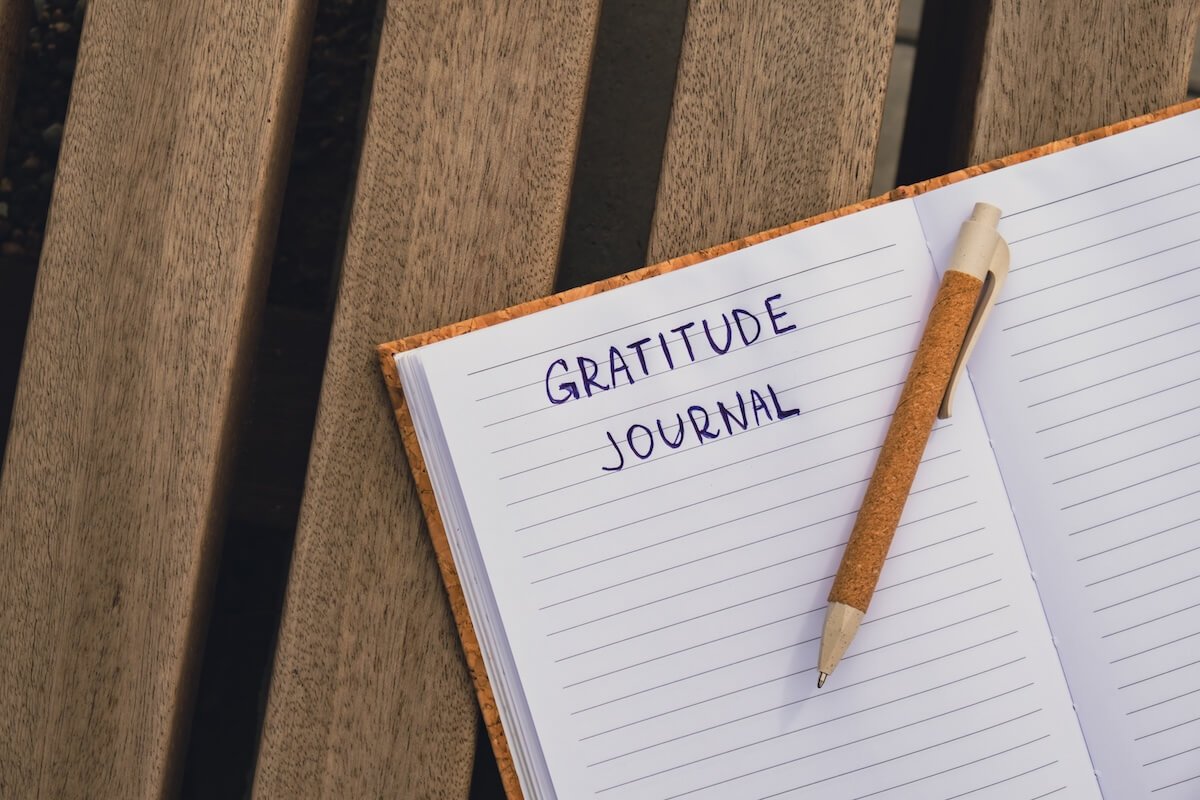
Practice contentment. Gratitude slows your thoughts down. It reminds your heart of what God has already done. You can want more, grow more, and even expect more – but still be content today. Start and end your day by naming three things you’re thankful for. Speak them out loud. Watch how peace begins to re-enter your perspective.
You don’t have to chase peace-it’s already available in stillness and trust.
When you choose gratitude, you stop running after blessings and start resting in the Blesser.
Faith Anchor:
“But godliness with contentment is great gain.” – 1 Timothy 6:6 (KJV). Peace doesn’t arrive when you finally get everything you want – it begins when you realize you already have everything you need in Him.
Final Thoughts: Trade Draining Habits for Daily Peace
You weren’t created to live mentally drained, emotionally exhausted, or spiritually empty. That’s not God’s plan for you. Every habit we’ve walked through is really an invitation – a gentle call to live from peace instead of constantly chasing it. God never asked you to hold it all together; He asked you to walk with Him while He holds you.
So today, take inventory. Where can you pause, realign, and invite God in deeper? Peace doesn’t come from having a perfect routine; it comes from practicing His presence in the middle of it. When you trade draining habits for daily dependence on Him, you’ll find what your heart’s been missing all along – stillness, stability, and joy that no circumstance can shake.
“You will keep in perfect peace all who trust in You, all whose thoughts are fixed on You.”
Isaiah 26:3 (NLT)
Breathe. Reconnect. Rest in His rhythm. Because the peace of God isn’t something you have to chase – it’s something you come back to.